Chronic wounds are a persistent healthcare challenge that affects millions of people globally. Unlike acute wounds, which heal within a predictable timeframe, chronic wounds linger for weeks, months, or even years, significantly impacting the quality of life and increasing the burden on healthcare systems. Understanding the causes, challenges, and solutions for managing chronic wounds is vital for effective treatment and improved patient outcomes.
What Are Chronic Wounds?
Chronic wounds are defined as wounds that fail to progress through the normal stages of healing within an expected timeframe, usually 4-6 weeks. Common examples include:
· Pressure Ulcers: Often seen in immobile or bedridden patients.
· Diabetic Foot Ulcers: A complication of diabetes caused by poor circulation and neuropathy.
· Venous Leg Ulcers: Resulting from chronic venous insufficiency.
· Arterial Ulcers: Associated with peripheral artery disease.
These wounds remain stuck in the inflammatory phase of healing, delaying tissue repair and leaving the wound vulnerable to infection.
Causes of Chronic Wounds.
Poor Circulation
o Impaired blood flow reduces oxygen and nutrient delivery to the wound, slowing down the healing process. Conditions like diabetes, venous insufficiency, and atherosclerosis are common culprits.
Infection
o Bacterial colonization and biofilm formation disrupt the natural healing process, often requiring antimicrobial interventions.
Pressure and Friction
o Prolonged pressure on specific areas can restrict blood flow, leading to tissue damage, as seen in pressure ulcers.
Underlying Health Conditions
o Diseases like diabetes, obesity, and autoimmune disorders can compromise the body’s ability to heal.
Nutritional Deficiencies
o Inadequate intake of essential nutrients, including protein, vitamin C, and zinc, can hinder the repair process.
Challenges in Managing Chronic Wounds.
Delayed Healing
o Chronic wounds can take months to heal, making consistent care and monitoring essential.
Infections and Biofilms
o Persistent infections and biofilm development complicate healing, often requiring advanced wound care solutions.
Pain and Discomfort
o Chronic wounds are often painful, negatively affecting the patient’s quality of life and mental health.
Cost Burden
o The long-term nature of chronic wound care leads to significant healthcare costs for both patients and providers.
Comorbidities
o Patients with chronic wounds often have underlying conditions like diabetes or cardiovascular disease, which must also be managed.
Solutions for Chronic Wounds.
Advanced Wound Care Products
o Foam Dressings: Ideal for managing moderate to heavy exudate, keeping the wound moist and protected.
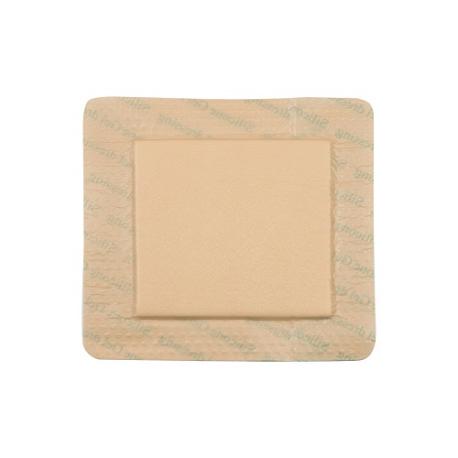
o Alginate Dressings: Highly absorbent and excellent for deep wounds with heavy drainage.
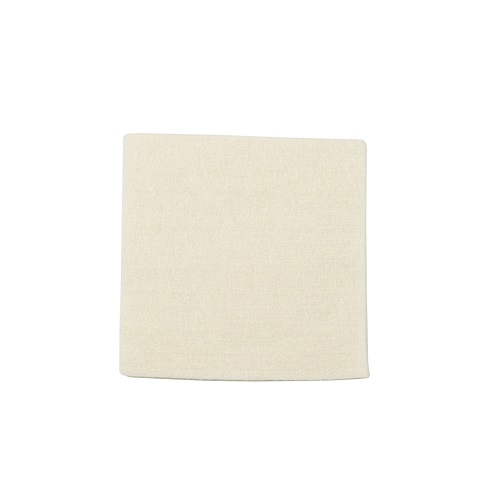
o Hydrocolloid Dressings: Promote a moist healing environment and support autolytic debridement.
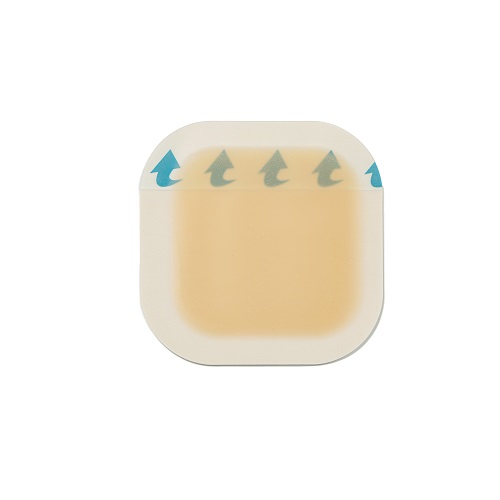
o Silicone Gel Dressings: Gentle on sensitive skin and effective for managing pain and scars.
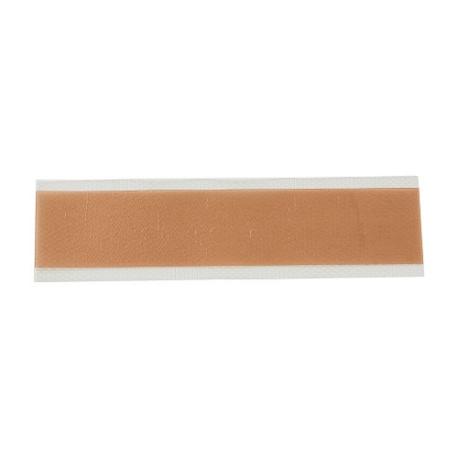
Wound Debridement
o Removing necrotic or infected tissue is essential for promoting healthy granulation and healing. Techniques include autolytic, enzymatic, and surgical debridement.
Infection Management
o Use of antimicrobial dressings, topical antibiotics, and systemic treatments to address bacterial colonization and biofilms.
Pressure Offloading
o For pressure ulcers or diabetic foot ulcers, specialized devices like offloading boots or cushions can reduce pressure and promote healing.
Compression Therapy
o Essential for venous leg ulcers, compression bandages improve circulation and reduce swelling.
Nutritional Support
o A balanced diet rich in proteins, vitamins, and minerals accelerates tissue repair and boosts immunity.
Hyperbaric Oxygen Therapy (HBOT)
o By delivering oxygen to the wound site, HBOT stimulates healing and combats infection.
Education and Prevention
o Educating patients about proper wound care, regular dressing changes, and early signs of infection is crucial to prevent complications.
MDK Medical’s Role in Chronic Wound Management.
At MDK Medical, we specialize in providing innovative solutions to support chronic wound care. Our advanced wound dressings, including hydrocolloid, foam, and alginate products, are designed to create the optimal healing environment while addressing challenges like infection and excess drainage.
By integrating cutting-edge technology and patient-focused design, MDK Medical empowers healthcare professionals to manage chronic wounds effectively, ensuring better outcomes for their patients.
Conclusion.
Managing chronic wounds requires a comprehensive approach that combines advanced wound care products, infection control, and patient education. While challenges persist, innovations in wound care, such as those offered by MDK Medical, are transforming how healthcare providers address this complex issue.
With the right solutions and strategies, chronic wounds can be managed more effectively, improving both patient outcomes and quality of life.


