
In the healthcare industry, the sterilization of medical supplies is critical to maintaining patient safety, preventing infections, and adhering to regulatory standards. Sterilization processes eliminate harmful microorganisms from medical supplies, ensuring they are safe for use in hospitals, clinics, and other medical settings. This blog explores the most common sterilization methods and their benefits, helping you understand which method is best suited for different types of medical supplies.
Why Sterilization is Essential for Medical Supplies
Medical supplies come into direct contact with patients and healthcare providers during procedures. Without proper sterilization, these supplies can harbor microorganisms that cause infections, compromise patient safety, and disrupt medical treatments. Effective sterilization ensures:
Common Medical Supplies Sterilization Methods
1. Ethylene Oxide (EO) Sterilization
EO sterilization is one of the most widely used methods, particularly for heat- and moisture-sensitive supplies.
2. Gamma Irradiation Sterilization
Gamma irradiation uses high-energy gamma rays from Cobalt-60 to destroy microorganisms.
3. E-Beam Sterilization
E-Beam sterilization is a fast and efficient method that uses high-energy electrons to inactivate microorganisms.
4. Steam Sterilization
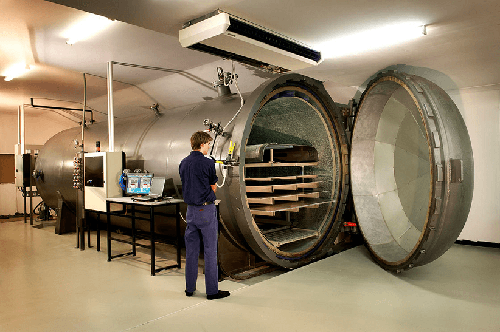
Steam sterilization is a traditional method that uses saturated steam under pressure to kill microorganisms.
Factors to Consider When Choosing a Sterilization Method
Conclusion
Sterilization is a non-negotiable aspect of ensuring the safety and efficacy of medical supplies. The choice of sterilization method depends on the material, intended use, and operational needs. Whether it’s EO, Gamma, E-Beam, or Steam sterilization, each method offers unique advantages tailored to different requirements.
At MDK medical, we specialize in providing high-quality medical supplies that meet the strictest sterilization standards. Contact us today to learn more about our products and how they can enhance the safety and efficiency of your healthcare operations.