Acne can be one of the most frustrating skin issues to deal with. Whether it’s a small pimple or an angry cyst, acne can lower your confidence and make you feel self-conscious. But thanks to the innovation of acne patches, there’s now a simpler, more effective way to treat and cover up pimples without the need for harsh treatments or makeup. In this blog, we’ll dive deep into everything you need to know about acne patches, how they work, the different types available, and why they could be your new secret weapon in the battle against acne.
What Are Acne Patches?
Acne patches are small, typically circular adhesive patches designed to cover pimples, particularly those with visible pus or inflammation. These patches, often made of hydrocolloid material, work by absorbing excess oil, pus, and fluids from the acne lesion, while simultaneously protecting the affected area from bacteria, dirt, and other external irritants.
The best part? Acne patches are discreet, easy to use, and can speed up the healing process while minimizing the temptation to touch or pick at the pimple.
How Do Acne Patches Work?
Acne patches work in a few different ways:
1. Absorbing Fluids: The hydrocolloid material used in many acne patches draws out the moisture, excess oils, and pus from the pimple. This helps the lesion heal faster and reduces the swelling and redness.
2. Protective Barrier: Acne patches act as a physical barrier to protect the pimple from external irritants like bacteria or dirt. This reduces the risk of infection and prevents further irritation, which can slow down healing.
3. Healing Environment: By maintaining a moist environment around the pimple, the patch promotes faster healing. The moist environment also reduces scarring, which is a common issue when pimples are picked at or popped.
4. Prevents Picking: One of the most beneficial aspects of acne patches is that they act as a reminder not to pick at your acne. The patch physically covers the pimple, making it harder to squeeze, pop, or touch.
Types of Acne Patches.
Not all acne patches are created equal. There are various types, each with its own set of benefits:
1. Basic Hydrocolloid Patches: These are the most common types of acne patches. They are made of a gel-like material that absorbs excess fluids from the pimple and reduces inflammation. Hydrocolloid patches are ideal for inflamed pimples or whiteheads.
2. Salicylic Acid-Infused Patches: Some acne patches are infused with salicylic acid, which helps exfoliate the skin and prevent future breakouts. These are particularly beneficial for acne that’s prone to reappearing or for stubborn pimples that need extra treatment.
3. Tea Tree Oil Patches: Tea tree oil is known for its anti-inflammatory and antibacterial properties, making it a great addition to acne patches. If you suffer from acne due to bacteria buildup, tea tree-infused patches can help reduce redness and breakouts.
4. Niacinamide Patches: Niacinamide (Vitamin B3) is an excellent ingredient for reducing inflammation, redness, and hyperpigmentation. Some acne patches are infused with niacinamide to help reduce acne scars while treating the pimple.
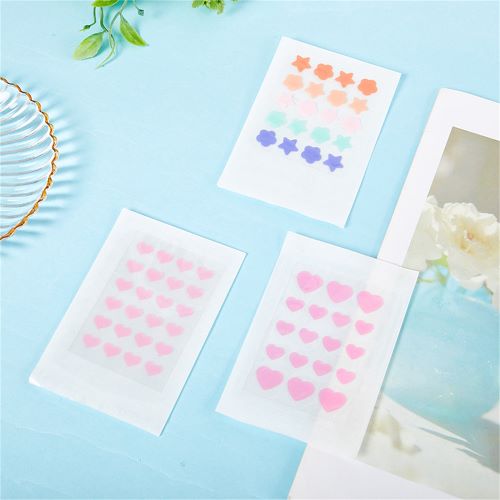
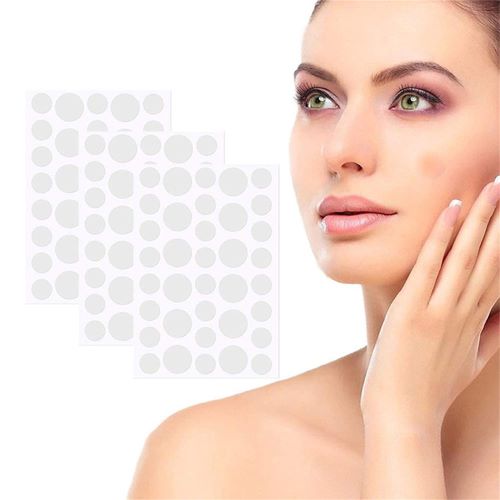
5. Invisible or "Clear" Patches: These patches are nearly invisible on the skin and are perfect for day wear, especially if you need to wear makeup or don’t want to draw attention to your pimple.
Benefits of Using Acne Patches.
1. Discreet: Many acne patches are clear or skin-toned, so they can be worn throughout the day without drawing attention. This means you can continue with your daily activities while treating your acne.
2. Prevents Picking: Acne patches cover the pimple, preventing you from touching or picking it. This reduces the risk of spreading bacteria, scarring, or causing further inflammation.
3. Faster Healing: The patch creates a moist, protected environment that promotes quicker healing, reducing the duration of your breakout.
4. Reduces Inflammation: Some patches contain soothing ingredients like tea tree oil or niacinamide, which can help reduce redness and swelling in the affected area.
5. Convenient: Acne patches are simple to use. Just clean and dry the affected area, stick on the patch, and leave it in place for several hours or overnight. There’s no mess, no complicated steps, and no need for harsh chemicals.
6. Gentle on the Skin: Unlike some acne treatments that can be drying or irritating, acne patches are generally gentle on the skin. Since they don’t require the use of strong ingredients, they can be used regularly without causing excessive dryness or irritation.
How to Use Acne Patches?
Using an acne patch is simple, but it’s important to follow a few steps to get the best results:
1. Cleanse: Start by cleaning the area around your pimple. Use a gentle cleanser to remove any dirt, oil, or makeup.
2. Dry: Pat the skin dry with a clean towel. The patch adheres best to dry skin.
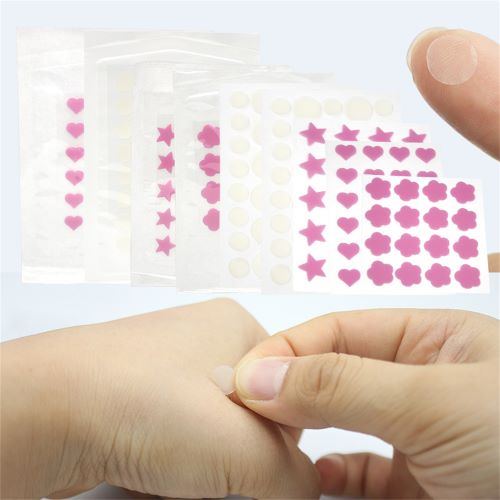
3. Apply the Patch: Peel off the protective film from the patch and place it directly over the pimple. Gently press down to make sure it sticks well.
4. Leave On: Let the patch stay in place for several hours or overnight. If you’re using a patch with active ingredients like salicylic acid, you might want to wear it overnight for best results.
5. Remove and Dispose: Once the patch has absorbed fluids (it will turn white and may feel raised), remove it and dispose of it. Apply a fresh patch if necessary.
When Should You Use Acne Patches?
Acne patches are ideal for early-stage acne, such as whiteheads, pustules, or pimples that are already leaking pus. They're not as effective for cystic acne or severe acne that is deep under the skin. If your acne is in its early stages and has visible fluid or pus, acne patches are a great option.
Potential Downsides of Acne Patches.
While acne patches are generally safe and effective, there are a few potential downsides to be aware of:
· Not Suitable for Severe Acne: If you have cystic acne or large, deep pimples, acne patches may not be effective. In these cases, you may need to rely on other treatments like topical creams or oral medications.
· Possible Skin Sensitivity: Some individuals may experience irritation from the adhesive, especially if they have sensitive skin. It’s always a good idea to patch-test the product on a small area of skin before applying it to a larger area.
· Not a Complete Solution: While acne patches can help treat existing pimples, they don’t address underlying causes of acne such as hormonal imbalances, diet, or skincare habits.
Conclusion: Should You Try Acne Patches?
If you struggle with acne, particularly in the form of small, superficial pimples or whiteheads, acne patches are worth considering. They are a discreet, effective, and convenient way to speed up healing, reduce inflammation, and prevent picking. While they may not be a miracle cure for all types of acne, they’re certainly a helpful tool in your skincare routine, especially for those sudden breakouts.
Have you used acne patches before? Share your experience in the comments below, or let us know if you have any questions about which type of acne patch is best for you!
Feel free to customize or add more details if you're thinking of publishing this blog!


