When it comes to wound care, the right dressing can significantly impact healing, comfort, and overall patient outcomes. MDK Medical, a trusted leader in advanced wound care solutions, understands that choosing the best dressing can sometimes be overwhelming. Hydrocolloid and foam dressings are two of the most popular options, each offering unique benefits tailored to specific wound types. In this blog, we’ll explore these two advanced dressings, their features, and how to select the right one for optimal wound management.
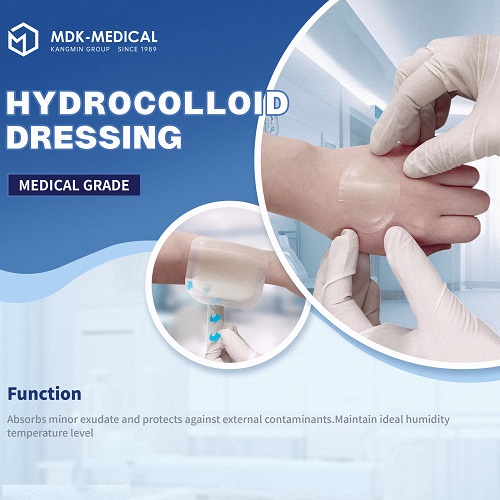
Hydrocolloid dressings are advanced wound care solutions made of a hydroactive, gel-forming material combined with a flexible, adhesive backing. These dressings are designed to provide a moist environment that promotes faster healing.

Key Features of Hydrocolloid Dressings:
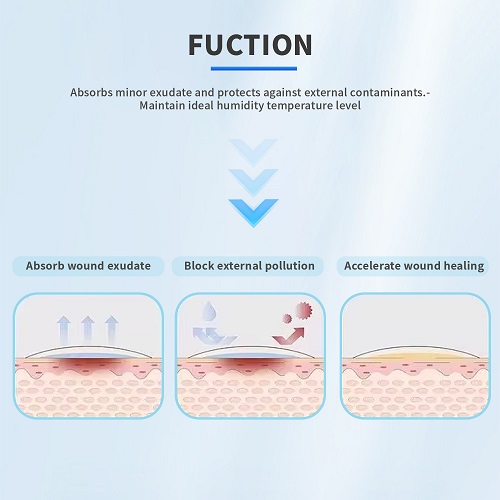
· Moisture Retention: Hydrocolloids maintain a moist wound bed, encouraging cell growth and reducing scarring.
· Self-Adherent: These dressings stick securely to the skin, eliminating the need for additional adhesives or tapes.
· Absorptive Capacity: Ideal for wounds with light to moderate exudate, they absorb wound fluids and form a gel-like protective layer.
· Protection Against Contamination: Their semi-occlusive nature acts as a barrier against bacteria and contaminants while allowing oxygen exchange.
· Flexible and Comfortable: Hydrocolloids conform to body contours, making them suitable for areas prone to movement, such as joints.

Best Uses:
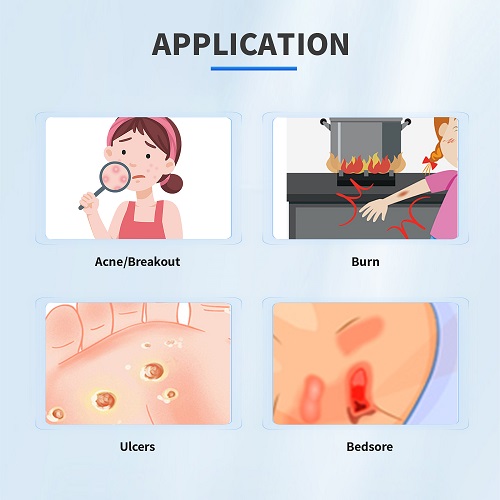
Hydrocolloid dressings are perfect for superficial wounds, burns, and pressure ulcers in the early stages. They are particularly beneficial for wounds that need a moist healing environment with light exudate management.

Foam dressings are made of a soft, porous material that is excellent for absorbing exudate while protecting the wound. They are available in adhesive and non-adhesive varieties, offering versatility for different applications.