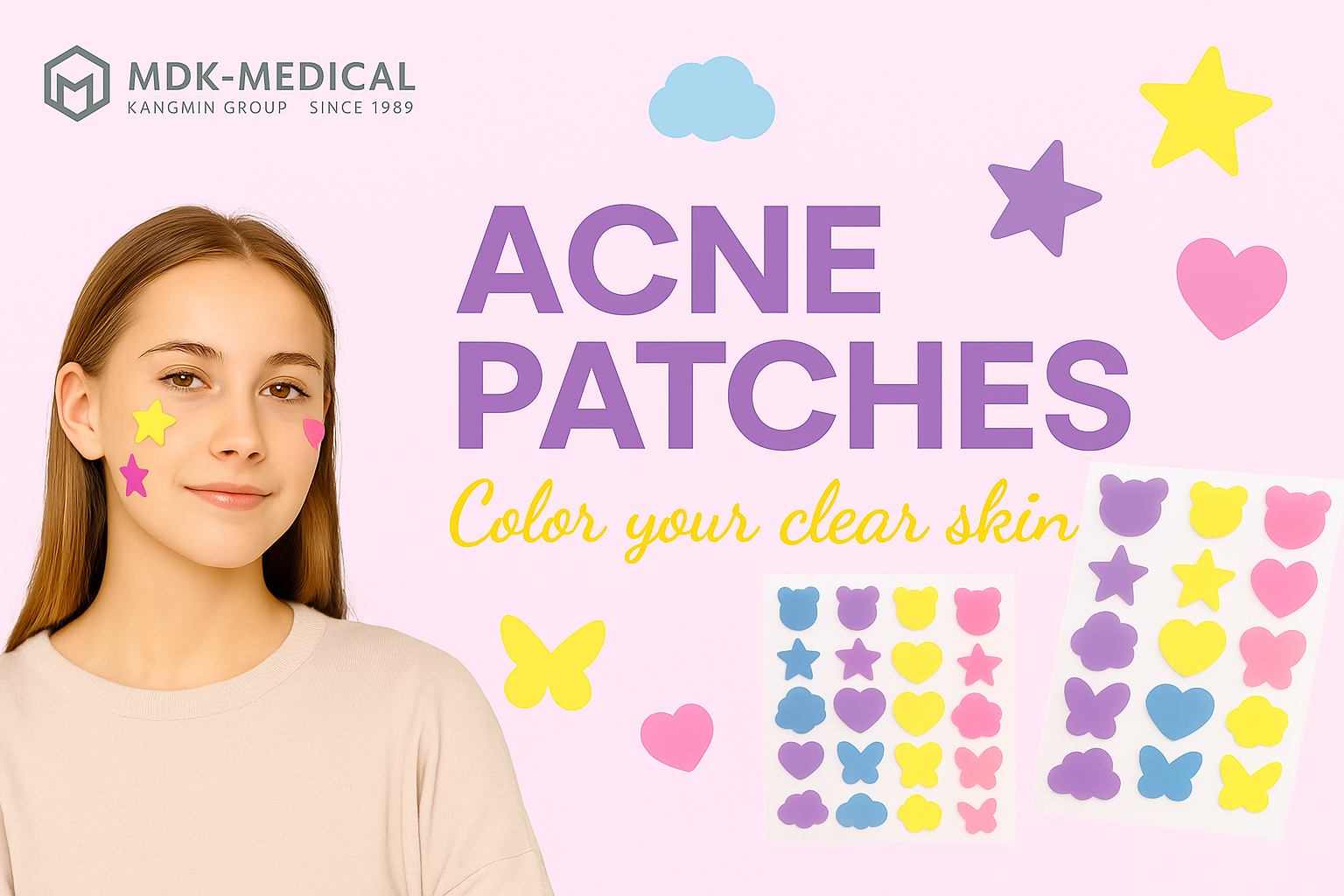
In the world of skincare, few products have achieved the swift, cult-like status of the pimple patch. These small, translucent dots are marvels of simplicity and effectiveness, using hydrocolloid technology to absorb impurities and accelerate healing. Billions of these acne patches are used globally each year, offering a quick fix for an age-old problem. But this convenience comes with a hidden cost—a growing mountain of single-use plastic and product waste. As consumers and brands become more environmentally conscious, a quiet but powerful revolution is underway, transforming the very foundation of medical supplies manufacturing. Medical supplies manufacturers are now facing the challenge of creating products that are not only effective but also safe and sustainable. This shift is forcing medical supplies manufacturers to innovate across their entire value chain, from the raw materials in a single patch to the global logistics that deliver it. This article explores the multifaceted transformation of medical-grade skin patches, examining how medical supplies manufacturers are moving towards a greener future without compromising the quality and efficacy that consumers depend on.
Table of contents:
The Material Science Frontier: Crafting Greener Formulations
Smart Product Design: Doing More with Less
The Eco-Conscious Factory: Sustainable Production Processes
Reinventing the Unboxing: Eco-Friendly Packaging and Logistics
Navigating the Regulatory Maze: Compliance on Two Fronts
The Brand Imperative: Sustainability as a Market Differentiator
Consumer Communication: Making Green Science Understandable
Data-Driven Sustainability: Measuring What Matters
The Material Science Frontier: Crafting Greener Formulations
At the heart of every pimple patch is its material composition. Traditionally, medical-grade hydrocolloids consist of gel-forming agents like carboxymethylcellulose (CMC), gelatin, and pectin mixed with elastomers and adhesives. While many core components like CMC are derived from plant cellulose and are inherently biodegradable, the complete formulation often includes synthetic polymers and adhesives that are not.
The first frontier of eco-innovation lies in green formulation optimization. This involves two key strategies:
- Embracing Bio-Based and Biodegradable Alternatives:Researchers and forward-thinking manufacturers are exploring a new generation of materials. Polylactic Acid (PLA), a bioplastic derived from corn starch or sugarcane, is a leading contender. Others include seaweed fibers, known for their natural anti-inflammatory properties and biodegradability, and chitosan, a sugar derived from the exoskeletons of crustaceans, which boasts antimicrobial benefits. The primary challenge is ensuring these natural alternatives can match the superior fluid absorption and adhesion properties of traditional hydrocolloids.
- Green Modification Technology:Instead of replacing hydrocolloids entirely, another approach is to modify them. This involves using green chemistry principles to enhance the biodegradability of the entire patch formula. By replacing persistent synthetic adhesives with bio-adhesives or using plasticizers derived from renewable sources, manufacturers can significantly improve the environmental profile of the final product without a drastic overhaul of the core technology. The goal is a patch that performs flawlessly on the skin and breaks down harmlessly after use.

Smart Product Design: Doing More with Less
Beyond the material itself, the physical design of the product offers significant opportunities for sustainability. Eco-conscious design in the context of acne patches focuses on material reduction and functional efficiency.
Designers are asking critical questions: Does the entire patch need to be thick, or can it be engineered with a thinner profile and a localized, functional core? This approach, known as functionalization, can reduce material usage by up to 30% per patch without sacrificing performance.
The concept of reusability is also being explored, though it presents challenges for a sterile medical product. While a reusable pimple patch is unlikely due to hygiene concerns, the carrier sheet it comes on could be redesigned. Instead of a single-use plastic film, manufacturers could develop reusable silicone pads or multi-use dispensers that protect the patches while eliminating a major source of plastic waste.
The Eco-Conscious Factory: Sustainable Production Processes
The integrity of a medical-grade product depends on its manufacturing environment. Cleanrooms and sterile production lines are non-negotiable in medical supplies manufacturing, but these environments are notoriously energy-intensive. The perceived conflict between sterile production and environmental responsibility is a major hurdle.
However, leading manufacturers are proving that these two goals can coexist. The solution lies in investing in green infrastructure and processes:
- Energy Efficiency:Transitioning from traditional lighting to high-efficiency LEDs in cleanrooms can cut lighting-related energy consumption by over 70%. Advanced HVAC systems with heat recovery technology can capture and reuse waste heat, significantly lowering the energy required for climate control.
- Water Conservation:Implementing closed-loop water purification systems reduces water consumption and minimizes the discharge of wastewater. When treating necessary effluent, using greener, biodegradable cleaning agents ensures the environmental impact is minimized.
- Pollution Control:Optimizing processes to reduce the use of volatile organic compounds (VOCs) and other chemical solvents is a priority.
These measures not only reduce a factory’s carbon footprint but also lower operational costs, creating a win-win scenario for the business and the planet.
Reinventing the Unboxing: Eco-Friendly Packaging and Logistics
For many consumers, the first physical interaction with a product is its packaging. The unboxing experience for acne patches often involves a plastic-wrapped cardboard box, an inner plastic pouch, and the patches themselves on a plastic carrier sheet. This multi-layered approach, while ensuring sterility, is a significant source of waste.
The sustainable packaging revolution is tackling this head-on. Innovations include:
- Paper-Based Solutions:Using FSC (Forest Stewardship Council) certified paper and cardboard for outer packaging.
- Recycled and Recyclable Plastics:Shifting to PCR (Post-Consumer Recycled) plastic films for sterile pouches, which reduces reliance on virgin plastics.
- Plastic-Free Alternatives:Some brands are experimenting with glassine paper, which is fully recyclable and biodegradable, for carrier sheets. Water-soluble or compostable films for inner bags are also emerging as viable, albeit premium, options.
Logistics, too, play a role. By optimizing shipping routes and encouraging factory-direct shipments for large B2B clients, manufacturers can reduce the transportation carbon footprint and eliminate redundant layers of secondary packaging used in distribution centers.
Navigating the Regulatory Maze: Compliance on Two Fronts
Manufacturers in this space operate under a dual-compliance mandate. They must adhere to strict medical device regulations like FDA guidelines and ISO 13485, which govern product safety, quality, and efficacy. Simultaneously, they face a growing body of environmental regulations such as Europe’s REACH (Registration, Evaluation, Authorisation and Restriction of Chemicals) and RoHS (Restriction of Hazardous Substances).
The most proactive manufacturers view this not as a burden but as an opportunity to lead. By ensuring their sustainable materials and processes also meet the stringent biocompatibility and safety tests required for medical devices, they create a product that is safe for both people and the planet. There is even a push within the industry to incorporate "environmental impact assessments" as a future component of medical device standards, making sustainability a formal measure of quality.
The Brand Imperative: Sustainability as a Market Differentiator
In today’s market, sustainability is a powerful brand asset. Major retailers and direct-to-consumer brands are increasingly implementing strict supplier codes of conduct that include environmental performance metrics. A brand that can tell a compelling green story about its products gains a significant competitive edge.
This is where the role of expert medical supplies manufacturers becomes critical. A brand’s sustainability claim is only as strong as its manufacturing partner’s capabilities. Manufacturers that invest in green R&D, sustainable factories, and certified eco-packaging empower their B2B clients. They are no longer just suppliers; they are strategic partners in building brand value and meeting the demands of a conscious consumer base. A manufacturer with a demonstrable ESG (Environmental, Social, and Governance) strategy is better positioned to win contracts and foster long-term partnerships.
Consumer Communication: Making Green Science Understandable
All the scientific and manufacturing innovation is lost if the end consumer doesn't understand it. Translating complex concepts like "bio-based polymers" or "LCA-optimized production" into clear, compelling messages is essential.
Effective communication strategies include:
- Clear On-Pack Labeling:Simple, recognizable icons or labels like "Bio-Based," "Plastic-Free Packaging," or "Compostable Patch" can quickly convey value.
- Digital Storytelling:Using QR codes on packaging to link consumers to a webpage that details the product’s lifecycle, from its renewable source materials to its end-of-life instructions.
- Transparency:Communicating not just the successes but also the journey. Acknowledging that sustainability is a continuous process builds trust and authenticity.
Data-Driven Sustainability: Measuring What Matters
To move beyond greenwashing, claims must be backed by data. The gold standard for measuring environmental impact is the Life Cycle Assessment (LCA). An LCA provides a comprehensive analysis of a product's environmental footprint, from raw material extraction and manufacturing to use and final disposal.
Using LCA data, a manufacturer can provide its clients with powerful, quantifiable metrics:
- "Our new bio-patch reduces carbon emissions by 40% compared to conventional patches."
- "By switching to our FSC paper packaging, your brand can save an estimated 5 tons of plastic waste annually per million units sold."
This data-driven approach transforms sustainability from a vague marketing claim into a measurable, verifiable business metric, providing clear proof of a product's superior environmental performance.
The journey toward a fully sustainable pimple patch is complex and ongoing. It requires a holistic commitment to innovation across every facet of the business. Companies that embrace this challenge are not just creating better products; they are defining the future of responsible medical supplies manufacturing. Forward-thinking OEM/ODM partners, like MDK Medical, are at the vanguard of this movement, collaborating with global brands to engineer and produce the next generation of skin- and earth-friendly acne patches that deliver on the promise of clean healing.


