In hospitals and care settings worldwide, a common frustration echoes: wound dressings, applied with precision, quickly lift, peel, or detach due to exudate, perspiration, or patient movement. This constant struggle leads to endless dressing changes, consuming valuable time, escalating costs, and causing unnecessary patient discomfort. This issue is particularly prevalent with IV catheters, venipunctures, post-surgical incisions, or on highly mobile body areas where standard film dressings simply can't offer the secure, waterproof adherence needed. This article delves into the core challenges of "exudate + sweat + detachment" and presents a curated selection of five top-performing transparent film dressings that excel in high adhesion and anti-lift capabilities. We will spotlight our own brand first, followed by other excellent market choices, empowering you to make informed decisions and find a reliable transparent wound dressing supplier.
Table of contents:
Why "Exudate + Sweat + Detachment" Are the Triple Threat to Film Dressings
Top 5 High-Adhesion, Anti-Lift Film Dressings
Key Parameters for Selecting "High Adhesion + Anti-Lift" Film Dressings
Practical Application Tips and Care Considerations
Frequently Asked Questions (FAQs)
Why "Exudate + Sweat + Detachment" Are the Triple Threat to Film Dressings
Transparent film dressings are invaluable tools in wound care, offering breathability and visual monitoring. However, their efficacy is constantly challenged by three primary factors:
- Excessive Exudate Leading to Adhesion Failure:
While transparent film dressings are celebrated for their conformability and the ability to visualize the wound bed, they typically possess limited absorptive capacity. As noted by Wounds International, "Thin film dressings… while offering flexibility, conformability, and visual monitoring, lack absorptive/exudate management capabilities, thus requiring cautious use in highly exuding wounds." When significant wound exudate accumulates beneath the dressing, it can compromise the adhesive bond, leading to lifting and premature detachment.
- Perspiration and Body Movement Causing Edge Lift:
When dressings are applied to active body areas such as limbs, joints, or to patients experiencing frequent perspiration, inadequate adhesion and poor conformability often result in "edge lift" or complete detachment. This compromises the dressing's protective and waterproof functions. Selecting film dressings with superior adhesion and robust, conformable structures is crucial to maintain integrity in such challenging conditions.
- The Critical Need for Waterproofing and Stable Adhesion:
Modern film dressings are lauded in literature for being "transparent, waterproof, and flexible," making them suitable for everyday application. However, to effectively combat detachment, especially in high-risk scenarios, it's imperative to choose products that feature reinforced edge adhesion and support extended wear times. This combination ensures long-lasting protection and reduces the frequency of dressing changes.
Therefore, for film dressings to be effective in high-risk scenarios involving "excessive exudate/sweat leading to detachment," they must meet stringent criteria: high adhesion, secure edge adherence, breathability, waterproofing, visual monitoring capabilities, and extended wear time. Below, we recommend five film dressings that fulfill these critical dimensions, with our brand taking the leading position.
Top 5 High-Adhesion, Anti-Lift Film Dressings
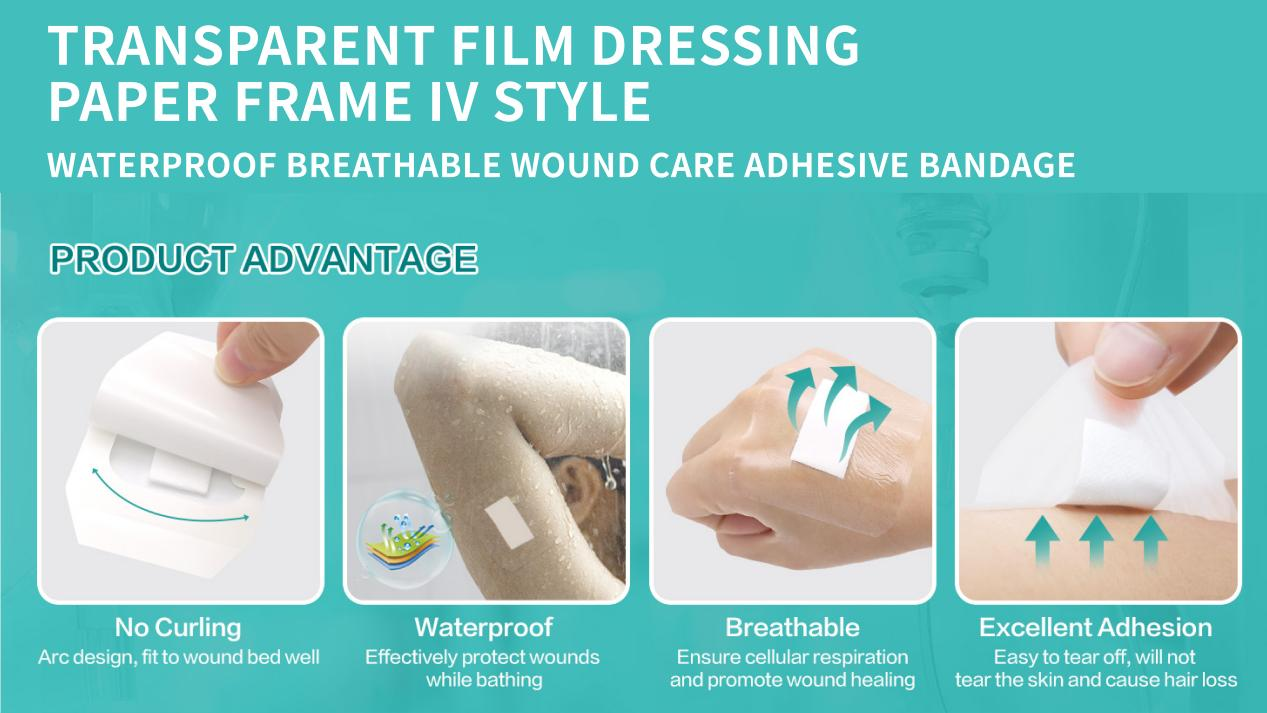
- MDK Medical Transparent Film Dressing
https://www.mdkmedical.com/
Recommended for its comprehensive performance and reliability.
Key Features & Benefits:
- Waterproof & Protective Barrier:Effectively blocks bacteria and viruses while maintaining optimal breathability and moisture vapor exchange. This creates a secure barrier against external contaminants.
- Versatile Sizing & Styles:Available in various sizes (e.g., 6×7 cm, 10×12 cm, 10×15 cm) with both paper-frame and non-woven frame options, making it suitable for a wide range of applications including wound protection, IV catheter securement, and post-operative dressing.
- Superior Conformability:Utilizes an ultra-thin PU film paired with a low-irritation acrylic adhesive (latex-free), ensuring a comfortable and secure fit that conforms seamlessly to the skin.
- Extended Wear Time:Designed for continuous wear for up to 7 days, significantly reducing the frequency of dressing changes and improving patient comfort.
Ideal Applications: IV catheter securement, post-surgical incision coverage, active patients or those prone to sweating, and any situation requiring prolonged dressing adherence.
Tip: Ensure the surrounding skin is clean, dry, and free of oils before application. For highly mobile areas, consider a larger size to enhance edge coverage.
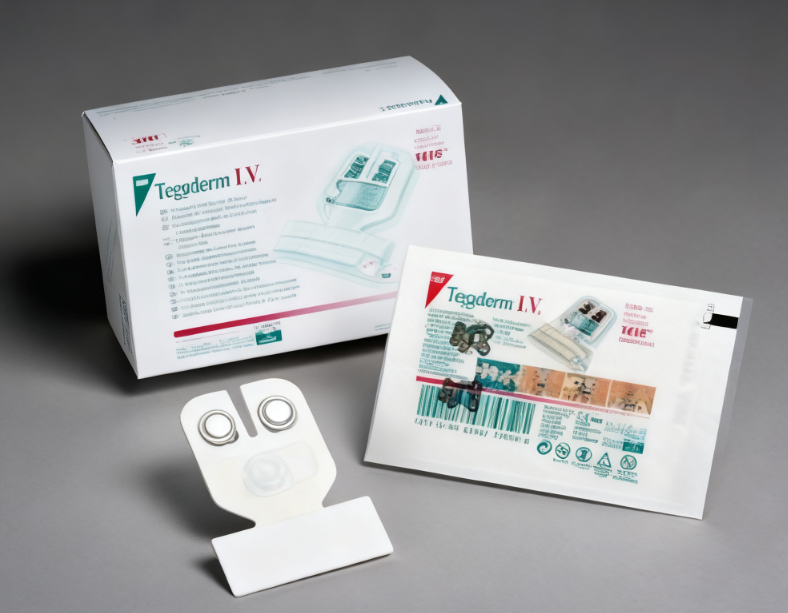
- 3M Tegaderm HP Transparent Film Dressing (Frame Style)
https://www.usamedicalsurgical.com/
Recognized for its high-adhesion design, ideal for demanding applications.
Highlights: Features a "High Adhesion (HP)" design specifically engineered for challenging dressing environments where superior stick is paramount.
Advantages: Waterproof, latex-free, and a reliable option for securing medical devices or catheters.
Best For: Settings with high patient mobility, numerous catheters or IV lines, and environments requiring frequent dressing changes where robust adhesion is critical.
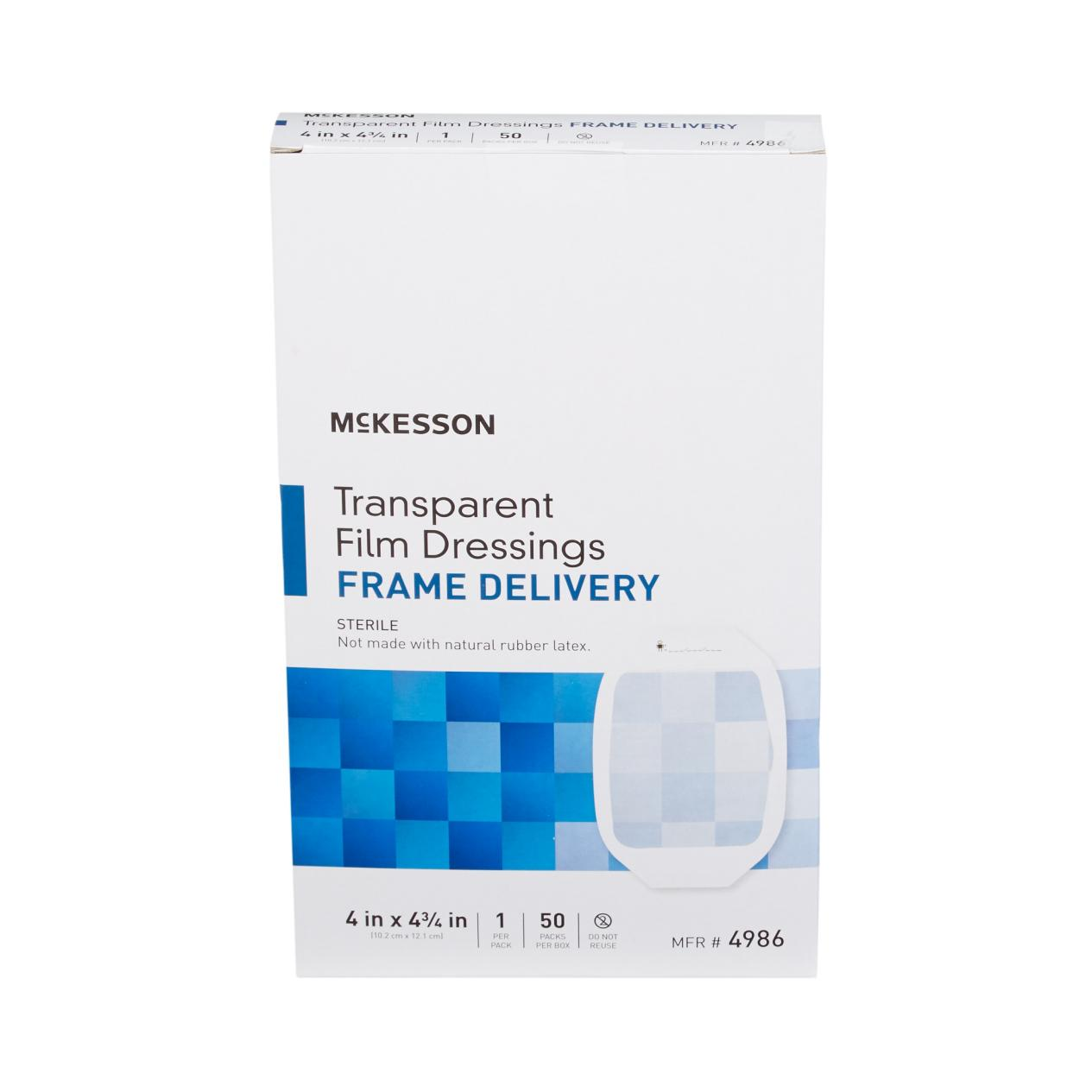
McKesson Transparent Film Dressing with Frame
https://mms.mckesson.com/
A dependable choice for general-purpose wound and catheter management.
Characteristics: A thin film dressing with an effective exudate barrier, suitable for covering superficial wounds or securing catheters.
Target Users: Care settings with budget considerations that still require reliable adhesion for low to moderate exudate levels.
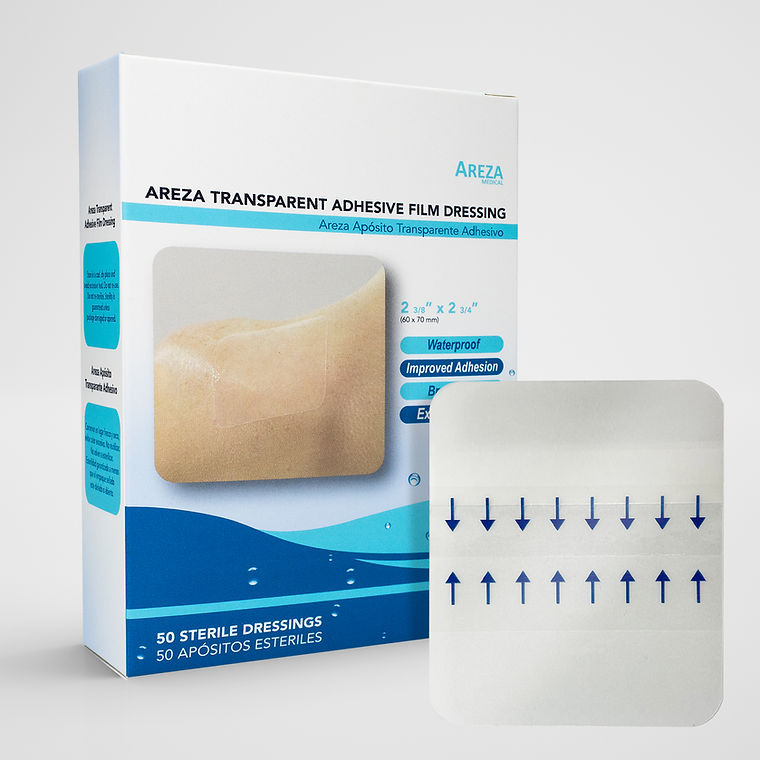
Areza Medical Transparent Adhesive Film Dressing
https://www.arezamedical.com/
Known for its flexible sizing and bulk packaging, suitable for efficient inventory management.
Features: Offers flexible sizing options and comes in bulk quantities (e e.g., 100 dressings/box), making it ideal for inventory management and high-turnover usage.
Ideal For: Outpatient clinics, smaller care centers, and home healthcare settings where cost-effectiveness and convenient storage are key.
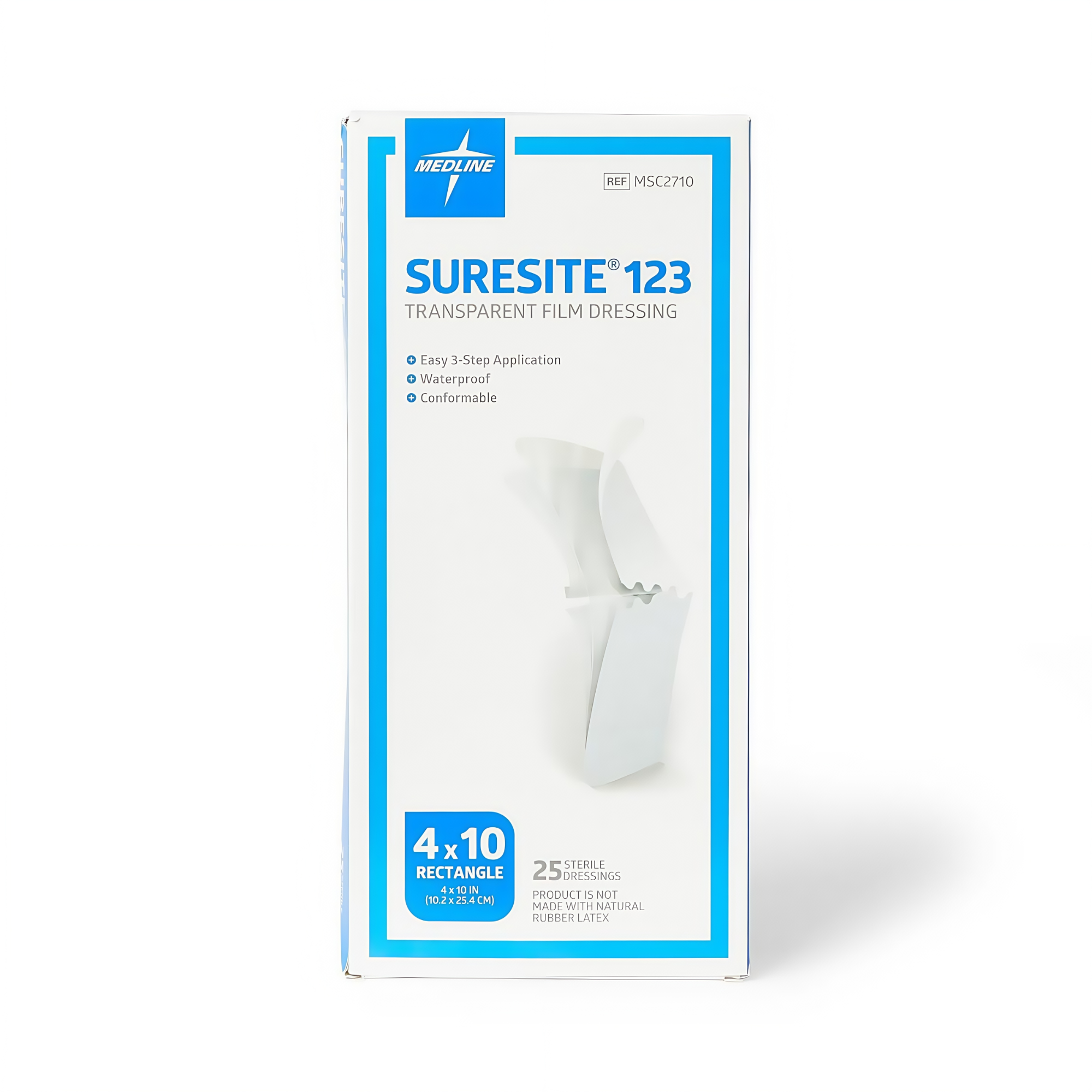
Suresite Transparent Dressing (4 × 10 cm)
https://www.medline.com/
A foundational transparent film dressing, widely recognized and versatile.
Distinguishing Attributes: A basic yet effective transparent film dressing, with high brand recognition. It serves well as a primary dressing or in conjunction with other wound care products.
Applications: Superficial applications, situations with low dressing change frequency, and environments with strict budget controls.
Key Parameters for Selecting "High Adhesion + Anti-Lift" Film Dressings
When choosing dressings for environments characterized by "high exudate/sweat and high risk of detachment," focus on these critical dimensions:
- Adhesion and Edge Conformability:Evaluate how securely the dressing adheres to the skin and whether its edges resist lifting or curling.
- Waterproof/Exudate Barrier Performance:The dressing must effectively block external liquids and sweat while allowing internal moisture vapor to escape, maintaining breathability. Modern research confirms that film dressings can "maintain a moist environment, are breathable, and act as a bacterial barrier."
- Wear Time:Longer wear times translate directly to fewer dressing changes, improving efficiency and patient comfort.
- Visual Monitoring Capability:Transparent film dressings allow healthcare professionals to visually inspect the wound or insertion site, reducing the need for dressing removal.
- Adaptability to Body Movement:For areas like elbows, abdomen, or joints, the dressing needs sufficient flexibility and stretch to remain secure during movement.
- Exudate Management (Considerations):While film dressings are not primarily absorptive, they can be suitable for light to moderate exudate. However, studies highlight that "when wound exudate is extensive, film dressings may contribute to maceration issues."
Practical Application Tips and Care Considerations
- Preparation is Key:Before application, ensure the skin around the dressing site is clean, dry, and free of oils to prevent premature edge lift.
- Smooth Application:Gently stretch the dressing as you apply it to the skin, avoiding air bubbles or wrinkles for optimal adherence.
- Strategic Sizing for Mobility:For highly mobile areas (e.g., sides of elbows, knees, back of fingers), consider using a slightly larger size to provide extended coverage and accommodate movement.
- Exudate Assessment:If significant exudate or maceration occurs at the wound/catheter site, promptly reassess and consider switching to an absorptive dressing.
- Water Exposure:In situations with heavy sweating or frequent bathing/water exposure, prioritize "waterproof + high adhesion" dressing specifications.
- Regular Monitoring:Periodically check the dressing edges for lifting, and inspect the skin for signs of maceration or softening. Replace or adjust the dressing immediately if any abnormalities are detected.
Frequently Asked Questions (FAQs)
Q1: What makes a transparent film dressing "high adhesion"?
A1: A high-adhesion transparent film dressing utilizes advanced adhesive technology, often a specialized acrylic adhesive, designed to create a strong, secure bond with the skin. It resists detachment from factors like skin oils, moisture, and friction, ensuring prolonged wear time even in challenging conditions.
Q2: Can transparent film dressings be used on highly exuding wounds?
A2: Transparent film dressings are generally not recommended for highly exuding wounds because they have minimal to no absorptive capacity. Excessive exudate trapped under the dressing can lead to skin maceration and compromise adhesion. For such wounds, a more absorptive dressing type would be more appropriate.
Q3: How do transparent film dressings prevent bacterial contamination?
A3: High-quality transparent film dressings create a barrier that is impermeable to external bacteria and viruses. While being waterproof, they are also breathable, allowing moisture vapor to escape from the skin, which helps maintain a healthy skin microclimate and prevents bacterial proliferation in a moist environment.
Q4: Is it necessary to clean the skin before applying a transparent film dressing?
A4: Yes, thorough cleaning and drying of the skin around the application site are crucial. Any oils, lotions, or residual moisture can significantly impair the adhesive's ability to bond securely, leading to premature detachment.
Q5: How often should a transparent film dressing be changed?
A5: The frequency of change depends on several factors, including the type of dressing, the wound condition, exudate levels, and patient activity. Many high-adhesion transparent film dressings are designed for extended wear, often up to 7 days, provided the dressing remains intact and there are no signs of infection, excessive exudate, or skin irritation. Always follow the manufacturer's instructions and clinical judgment.
Frequent dressing changes due to "exudate despite changes" or "repeated detachment" are often not a result of improper nursing technique, but rather a mismatch between product specifications and actual clinical needs. By selecting transparent, high-adhesion, anti-lift film dressings and combining them with correct application techniques, healthcare providers can significantly reduce change frequency, enhance care efficiency, and boost patient comfort. We primarily recommend the MDK Medical Transparent Film Dressing, while also listing other excellent market options available from medical supplies wholesalers for your reference. We hope this article provides practical assistance in your product selection and care decisions.


