Hydrocolloid foot patches are a practical and increasingly popular way to treat and protect skin issues on the feet, particularly for blisters, calluses, and other minor wounds. Known for their absorptive power and gentle, skin-friendly properties, hydrocolloid patches can bring relief while speeding up recovery. Here’s a closer look at what they are, how they work, and why they’re becoming a go-to for foot care.
1. What is a Hydrocolloid Foot Patch?
Hydrocolloid foot patches are adhesive bandages made from a flexible, moisture-absorbing material that forms a gel-like cushion when it comes into contact with skin moisture. Originally used in wound care, hydrocolloid patches are now widely available for foot care, offering a protective barrier that helps heal blisters, calluses, and sores while preventing further irritation. These patches are also known for absorbing excess fluids, making them an ideal treatment for blisters and similar skin concerns.
2. How Do Hydrocolloid Foot Patches Work?
· Moisture Absorption: Hydrocolloid material contains gel-forming agents that absorb moisture, drawing out fluids from the wound or blister. This helps remove excess liquid and reduces swelling.
· Protective Barrier: The patch acts as a shield over the affected area, keeping out dirt and bacteria, which could otherwise cause infection.
· Optimal Healing Environment: Hydrocolloid patches maintain a moist environment, which can help speed up wound healing and reduce the likelihood of scarring. The moist environment also reduces friction, preventing further injury.
· Cushioning Effect: The gel layer provides a cushion, relieving pressure and reducing pain, especially on areas that bear weight, like the balls of the feet and heels.
3. Benefits of Hydrocolloid Foot Patches
· Quick Relief from Blisters: Hydrocolloid patches are particularly effective for blisters, drawing out excess fluid and keeping the blistered skin intact to prevent further damage.
· Reduces Callus Pain: By cushioning hardened skin, hydrocolloid patches provide relief from painful calluses and create an environment that softens skin.
· Protects Against Infection: These patches keep the wound clean, minimizing exposure to dirt, sweat, and bacteria.
· Long-lasting Adherence: Many hydrocolloid foot patches are designed to stay on for up to 24-48 hours, making them convenient and low-maintenance.
4. Types of Hydrocolloid Foot Patches
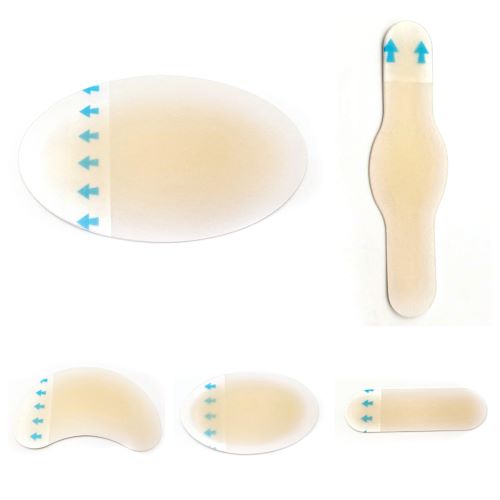
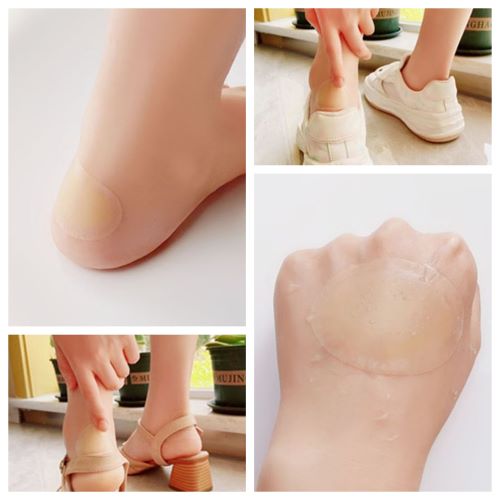
· Blister Patches: Designed specifically for blisters, these patches are often shaped to fit common blister areas like the heel or toes. They provide a cushion and protect the blister while absorbing excess fluid.
· Callus Cushions: These thicker patches are ideal for calluses, offering more cushioning and pressure relief for hard, rough areas on the feet.
· Multi-purpose Wound Patches: Some hydrocolloid patches are more general and can be cut to fit various shapes, making them suitable for cuts or scrapes on the feet.
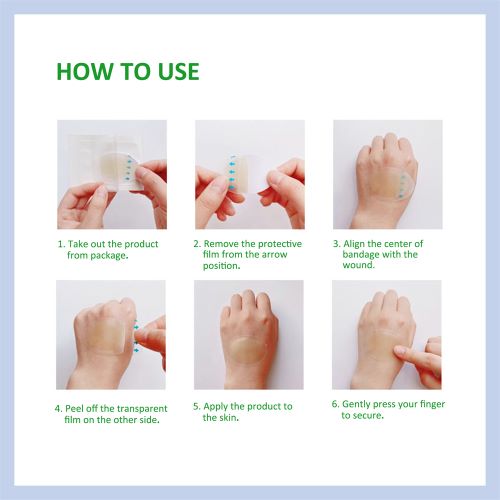
5. How to Use Hydrocolloid Foot Patches?
1. Take out the productfrom package.
2. Remove the protectivefilm from the arrowposition.
3. Align the center ofbandape with theWound.
4. Peel off the transparentfilm on the other side.
5. Apply the product tothe skin。
6. Gently press your fingerto SeCure.
6. When to Use Hydrocolloid Foot Patches?
· For Blisters: Hydrocolloid patches are most effective when a blister forms. By covering it immediately, you reduce the risk of further irritation and help it heal.
· For Calluses: If you have hard, painful calluses, the cushioning effect can provide relief and soften the skin over time.
· After Walking or Running: Hydrocolloid patches are great for athletes and people who spend long hours on their feet, as they can help prevent and treat foot injuries caused by friction and pressure.
7. Tips for Getting the Most from Hydrocolloid Foot Patches.
· Avoid Applying Lotion or Oil: Lotion or oils on the skin can interfere with the patch’s adhesive, so avoid applying them to the area where the patch will be placed.
· Choose the Right Size: Using the appropriate size patch for the area ensures the patch stays in place and provides adequate coverage.
· Keep Feet Dry: While hydrocolloid patches are generally waterproof, keeping your feet dry helps them last longer and stay effective.
8. Do Hydrocolloid Foot Patches Really Work?
Hydrocolloid foot patches have a solid track record in clinical wound care for promoting healing and protecting against infection. The absorptive, protective, and cushioning properties of hydrocolloid patches make them a practical solution for managing foot blisters, calluses, and even minor cuts. Many people report faster healing times, reduced discomfort, and fewer infections when using them.
9. Precautions When Using Hydrocolloid Foot Patches.
· For External Use Only: Hydrocolloid patches should only be used on closed blisters or minor wounds; avoid using them on open, heavily bleeding, or deep cuts.
· Discontinue if Irritation Occurs: If you experience itching, redness, or irritation, discontinue use and consult a dermatologist if needed.
· Check for Latex: Some hydrocolloid patches may contain latex, so check the packaging if you have a latex allergy.
10. Final Thoughts: Hydrocolloid Foot Patches as Foot Care Essentials.
Hydrocolloid foot patches are an excellent option for managing common foot issues, from blisters and calluses to minor wounds. They’re easy to use, convenient, and provide a protective, healing environment for your skin. Whether you’re an athlete, a frequent traveler, or simply someone who’s on their feet a lot, keeping a few hydrocolloid patches on hand can be a smart, pain-relieving addition to your foot care routine.
Try them out for your next blister or callus and experience the comfort and relief that hydrocolloid foot patches can bring!


