0
Home > Blog > Product Blog > What is the value of non-woven dressings?
Release Time: 2025-07-04
What is the value of non-woven dressings?

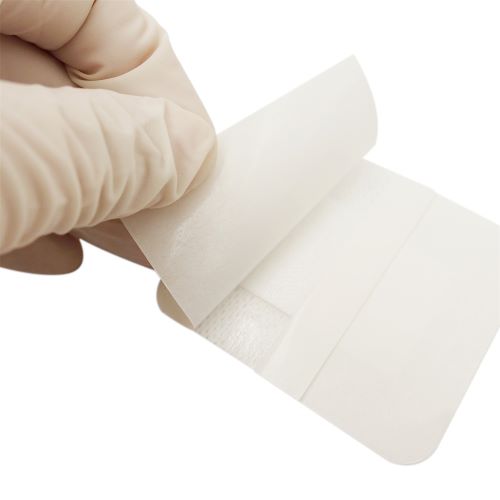
Non-woven dressings are a type of medical dressing made from synthetic materials, typically bonded through mechanical, thermal, or chemical processes instead of traditional weaving. They are commonly used in wound care due to their unique features, such as softness, flexibility, and breathability, which make them suitable for various types of wounds, including post-operative wounds, pressure ulcers, and abrasions. Here’s a closer look at non-woven dressings and why they’re valued in healthcare:


1. Material Composition

· Non-woven dressings are typically made from synthetic fibers like polyester, polypropylene, or a blend of natural and synthetic materials.

· Unlike woven fabric, non-woven dressings lack interlacing threads, giving them a soft, fabric-like texture without the risk of thread fraying.


2. Types of Non-Woven Dressings

· Absorbent Pads: Often used for exuding wounds, absorbent non-woven dressings wick moisture away, keeping the wound bed dry.

· Antimicrobial Non-Wovens: Some non-woven dressings incorporate antimicrobial agents to prevent infection and promote faster healing.

· Hydrophilic Non-Wovens: These dressings absorb exudate while keeping the surrounding tissue dry, minimizing the risk of skin maceration.


3. Benefits of Non-Woven Dressings

· Enhanced Comfort: Soft and flexible, non-woven dressings conform closely to the body, reducing discomfort for patients.

· Breathability: These dressings allow air circulation, which aids in the healing process by keeping the wound bed adequately moist and reducing bacterial growth.

· Cost-Effective and Disposable: Non-woven dressings are usually disposable, offering a sterile and economical solution to wound care, reducing the risk of cross-contamination.

· Low Adhesion to Wounds: Many non-woven dressings are designed to minimize sticking to the wound, reducing pain and trauma during dressing changes.

4. Common Uses of Non-Woven Dressings

· Post-Surgical Wounds: Non-woven dressings are ideal for covering surgical incisions, promoting healing while protecting the wound from infection.

· Burn Care: Their gentle, non-adherent nature makes them suitable for burn wounds, as they can be removed without disrupting delicate healing tissue.

· Chronic Wounds: Non-woven dressings are used for managing chronic wounds, such as diabetic ulcers and bedsores, where frequent dressing changes are required.


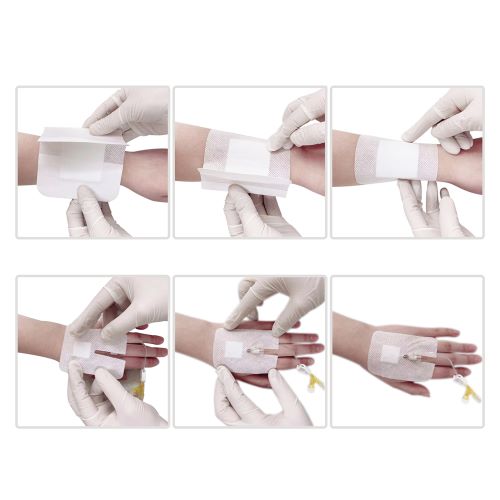
5. Best Practices for Non-Woven Dressing Application

· Proper Cleaning: Always clean the wound according to healthcare guidelines before applying a dressing.

· Secure Dressing Properly: Ensure the non-woven dressing is adequately secured to prevent movement and maintain consistent protection for the wound.

· Monitor Wound Condition: Non-woven dressings should be replaced as per wound care guidelines, especially for wounds that exude heavily or are at high risk for infection.


6. Future of Non-Woven Dressings

· The use of advanced non-woven materials, such as those embedded with nanotechnology or bioactive substances, could potentially accelerate healing times.

· Increased research on sustainable non-woven materials is paving the way for more environmentally friendly options in disposable wound care products.


Non-woven dressings provide an effective and comfortable solution for wound management, combining protective and therapeutic benefits with ease of use. As technology advances, they continue to improve, making wound care safer and more accessible for patients.

Latest Blog
The Advantages of Defibrillators
Immediate response is one of the key advantages of defibrillators. When a person experiences sudden cardiac arrest, every minute is crucial for their survival.
How accurate are ear thermometers?
The results are typically accurate if a person uses tympanic thermometers, or digital ear thermometers, correctly. However, ear thermometers may not be as accurate as contact ones.
What is Defibrillator?
Defibrillators are devices that apply an electric charge or current to the heart to restore a normal heartbeat. If the heart rhythm stops due to cardiac arrest, also known as sudden cardiac arrest (SCA), a defibrillator may help it start beating again.
View More >>
Want to Know More About Our Products
All Products Contact Us
CONTACT
Ace Li
Ace Li
Ace Li
Sales manager
Tel: + 852
WeChat: + 852
Whatsapp: + 852
Roy Liu
Roy Liu
Roy Liu
Sales manager
Tel: +86 17673208570
WeChat: +86 17673208570
Whatsapp: +86 17328019718
Mandy Song
Mandy Song
Mandy Song
Sales manager
Tel: + 86
WeChat: + 86
Whatsapp: + 86
John Ouyang
John Ouyang
John Ouyang
COO and VP Marketing
Tel: +86 18317128098
WeChat: +86 18317128098
Whatsapp: +86 18317128098
Max Ylham
Max Ylham
Max Ylham
Sales manager
Tel: +86 13033481775
WeChat: +86 13033481775
Whatsapp: +86 13033481775
Justin Khaydarov
Justin Khaydarov
Justin Khaydarov
Sales manager
Tel: +86 18621998738
WeChat: +86 18621998738
Whatsapp: +86 18621998738
pop_close
pop_main
Stay In The Know
Enter your email to hear from us about Product list, Latest Products and Customer application examples!